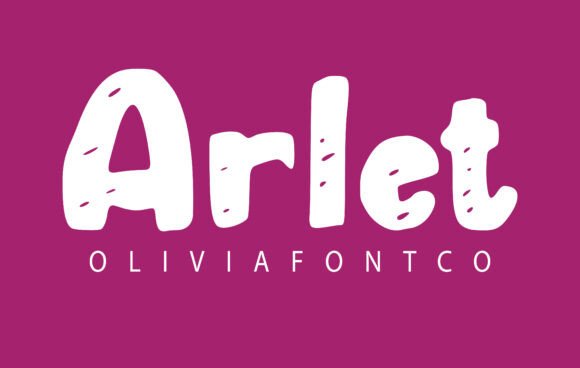
Arlet
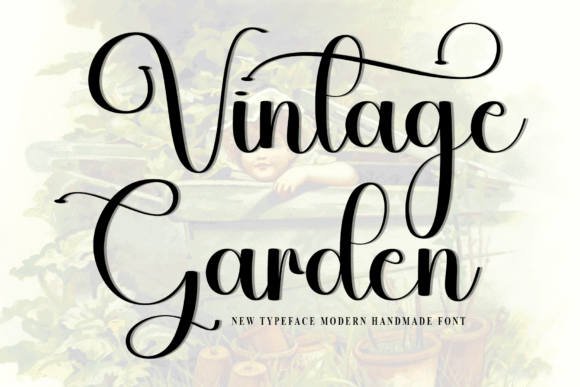
Arlet is a script font that commands attention. From the first glance, it exudes elegance and sophistication, yet carries a touch of playfulness that makes it feel approachable. Its fluid lines and graceful curves suggest a handcrafted origin, but with a modern twist that keeps it relevant in today’s design landscape.
The personality of Arlet is warm and inviting. It feels like a handwritten note from a friend—personal, expressive, and slightly whimsical. This makes it ideal for projects that aim to create an emotional connection with the audience. Whether used in branding, packaging, or digital assets, Arlet adds a layer of character that can elevate the visual narrative.
In logo design, Arlet shines when paired with minimalistic elements. It works best as a secondary or accent font, complementing a sans serif or serif typeface. Its legibility at smaller sizes makes it suitable for brand marks and supporting text, though it should be used with caution in large headlines or long body copy. The font’s natural flow helps maintain visual harmony in editorial design, making it a great choice for magazines, brochures, and newsletters.
For packaging design, Arlet brings a sense of luxury and uniqueness. It’s particularly effective on premium products where the typography plays a key role in conveying quality. However, it’s important to test its readability in black and white, especially if the packaging will be printed on dark materials. The font’s decorative nature also means it should be used sparingly to avoid overwhelming the design.
When it comes to web design, Arlet performs well in headers and call-to-action buttons. Its bold strokes and clear spacing make it readable even at smaller sizes. However, designers should consider how it interacts with other fonts in a font pairing strategy. Testing it against serif, sans serif, and display fonts is essential to ensure it complements the overall design without clashing.
Social media graphics benefit greatly from Arlet’s expressive qualities. It adds a personal touch to Instagram posts, Facebook banners, and Twitter threads. But because of its ornate style, it’s better suited for short phrases and quotes rather than lengthy content. Using it as a decorative accent can enhance the visual appeal without compromising clarity.
In digital ads and printable designs, Arlet maintains its charm while remaining functional. It works well in Canva templates and Cricut projects, offering versatility for both digital and physical outputs. However, designers must confirm commercial licensing before using it in client work or business assets to avoid legal issues.
One of the standout features of Arlet is its ability to blend modern typography with traditional script elements. This balance makes it adaptable across various design contexts. When used alongside a clean sans serif or serif font, it creates a dynamic contrast that enhances visual interest.
Readability is a critical factor to consider when working with Arlet. While it excels in larger formats, it may struggle in small sizes, especially when used in body text. Designers should always test the font in different environments, including low-resolution screens and print materials, to ensure it remains legible and consistent.
Brand consistency is another important aspect. Arlet’s unique style can help reinforce a brand’s identity, especially for creative industries or lifestyle brands. However, it’s crucial to maintain a cohesive typographic system to avoid confusion. Pairing it with complementary fonts can help achieve a balanced and professional look.
Audience trust and recognition are influenced by the font’s visual mood. Arlet’s elegant and approachable nature can foster a sense of reliability and warmth, making it suitable for brands that want to appear both stylish and trustworthy. Its use in marketing visuals and editorial design can enhance engagement by creating a more relatable and memorable experience.
Practical designer notes include testing Arlet in black and white, checking small-size readability, and trying it on real mockups. Comparing it with serif, sans serif, script, handwritten, and display fonts is also recommended to find the best font pairing. Confirming commercial licensing before client or business use is non-negotiable to ensure legal compliance.
Overall, Arlet is a versatile and expressive font that can add depth and character to a wide range of design projects. Its ability to adapt to different contexts while maintaining readability and style makes it a valuable asset for designers looking to create visually compelling and emotionally resonant work.